Home care products — odor eliminator — Growth
₺10M in 8 months, in a category that didn't exist.
OdorGo came to us with nothing but the product. Odor elimination was a category that even P&G and Unilever hesitated to enter in Türkiye, and consumer awareness was zero. We explained the category first, then built the demand: brand strategy, TV commercials, CRO-led e-commerce and multichannel distribution. Eight months later the brand owned its category and had reached ₺10M in revenue.

- Period
- July 2025 – February 2026
- Duration
- 8 months
Measured results
- Revenue
- ₺0M
- In 8 months; e-commerce, marketplaces, retail and stands
- Organic ranking
- Top 0
- Every target keyword; the category was built from zero
- National retail
- 0 chains
- MacroCenter, Migros and Happy Center shelves
- Film views
- 0M+
- Four films, total across digital channels
01 — Challenge
- The category effectively didn't exist in Türkiye; even global giants hesitated to enter it.
- Consumer awareness was zero — nobody was searching for such a product, so there was no search volume to capture.
- Performance marketing alone doesn't work on a product with no search volume; demand itself had to be created first.
- The brand had only the product: no identity, no content, no sales channel, no shelf.
02 — Approach
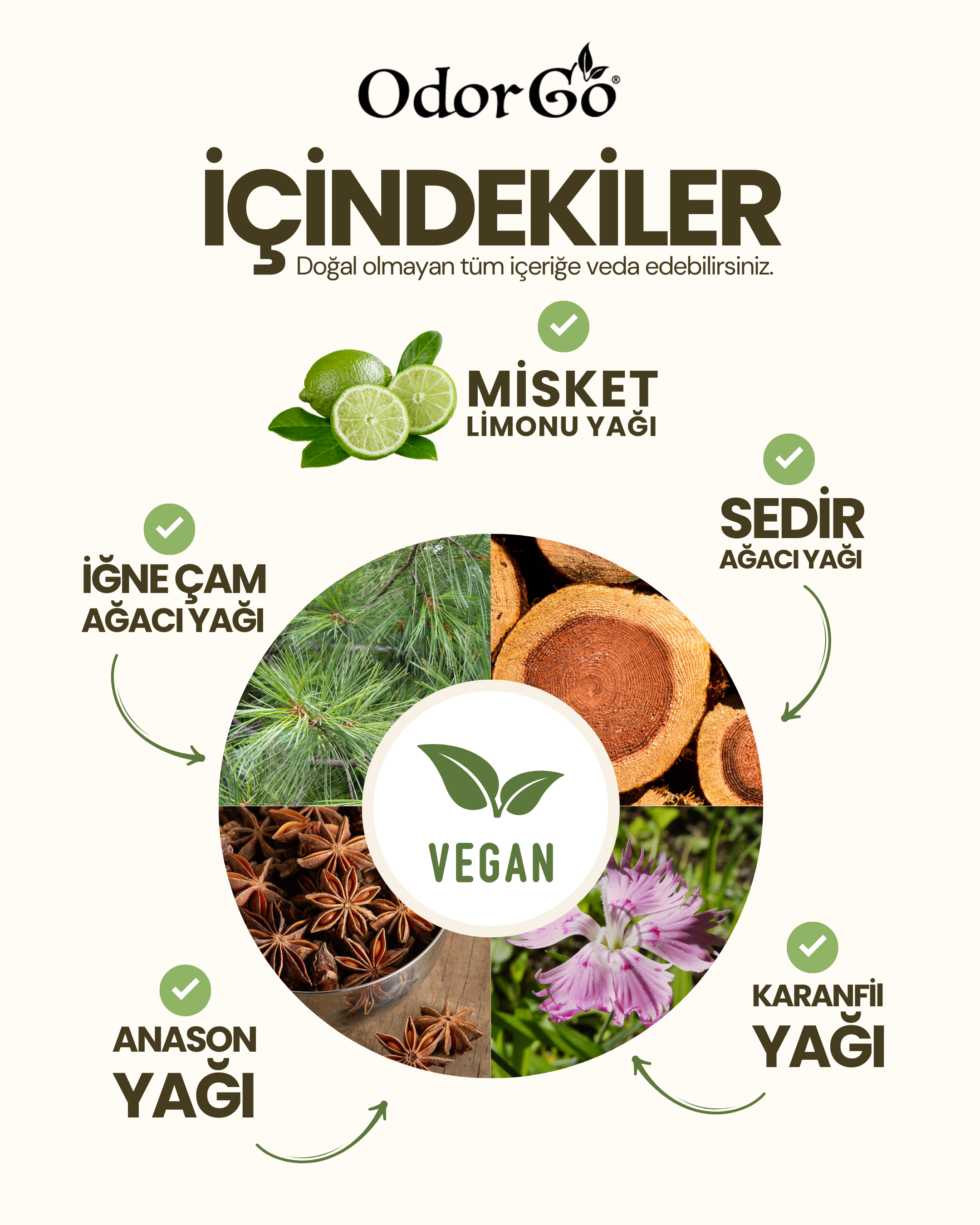
- 01We built the category and the brand together, defining a language that explains what the product does, why it's needed and what it's made of.
- 02We built the commercials around everyday odor scenarios — cat litter, a teenage boy's room, cooking fish at home. Instead of explaining the category in the abstract, we showed consumers a moment from their own home.
- 03We produced an animation explaining how the product works: eliminating an odor molecule is not the same as masking it — category awareness started there.
- 04Content cut from those films fed social media and digital marketing — one shoot, dozens of channels.
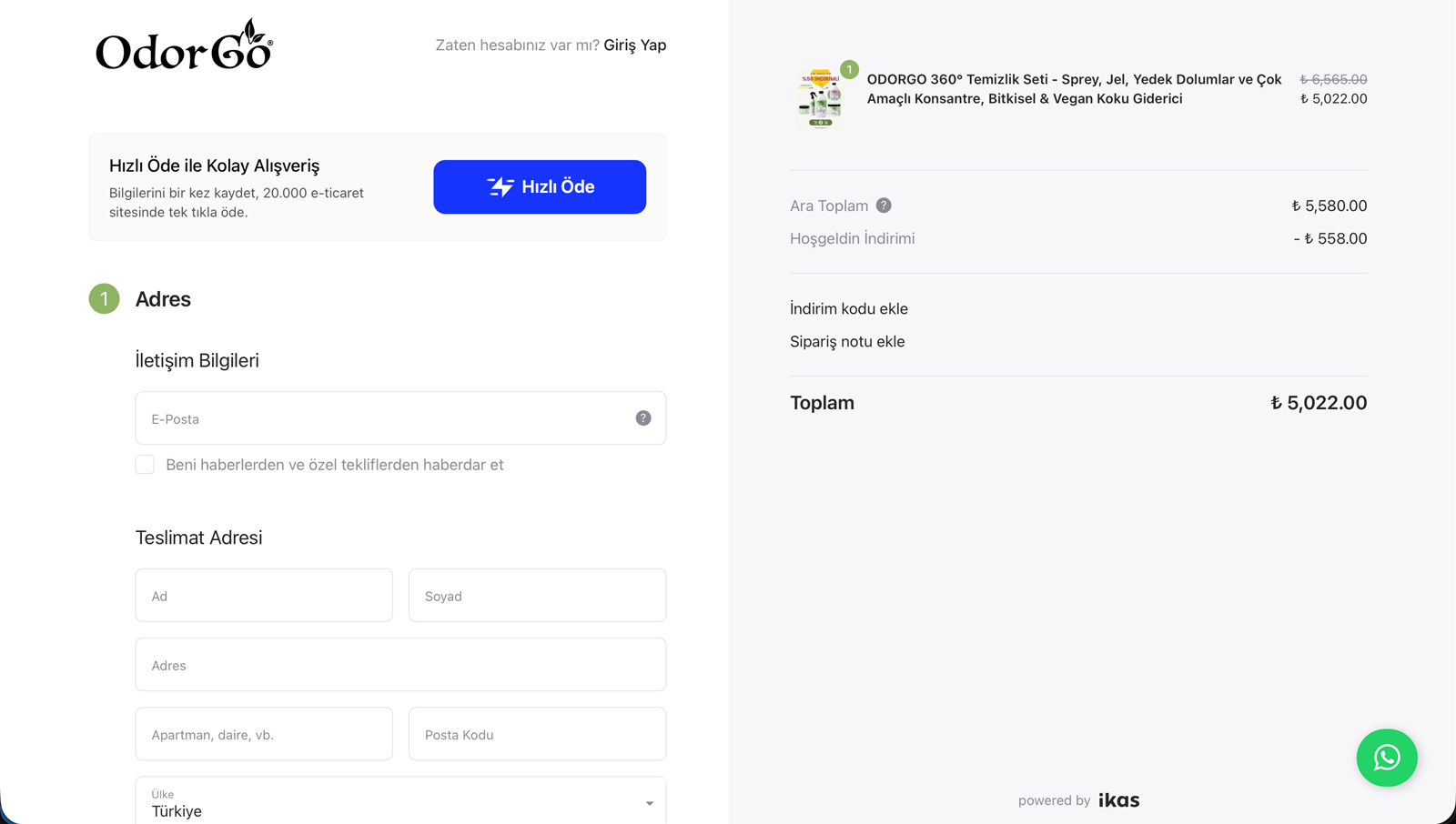
- 05With İKAS we built the e-commerce site around CRO: whichever channel and page a visitor lands on, they get the convincing information and move to the purchase step.
- 06Social, email, organic search and Google Ads were managed in one measurement frame; Trendyol and Hepsiburada storefronts were opened.
03 — Outcome
- In eight months the brand went from zero awareness to owning its category.
- It reached the organic top 3 for every target keyword — the search volume itself was created by the campaign.
- The films were viewed more than 10 million times, carrying the category language to consumers.
- The product reached MacroCenter, Migros and Happy Center shelves; e-commerce, marketplaces, retail and stand sales together reached ₺10M in revenue.
- In February 2026 the operation was handed over to the brand's own team — the system runs on with its owner.
Field record
All we had was the product — the category didn't even exist. In eight months we reached supermarket shelves and people started searching for the product by name.
Frequently asked questions
How do you market a product with no search volume?
Demand is created first and captured afterwards. Odor elimination was effectively not a category in Türkiye and nobody was searching for such a product, so performance marketing had no volume to capture on its own. At OdorGo the category was explained first, search volume was created alongside the campaign, and only then did the search side come into play.
Over what period and through which channels did the ₺10M come?
The revenue was reached in eight months and is the total across e-commerce, marketplaces, retail and stand sales. The engagement began in July 2025 and closed with handover in February 2026. Because the four channels were managed in one measurement frame, which film converted on which channel could be tracked, and budget was allocated on total return rather than per channel.
Why were the commercials built on everyday scenarios?
The scenarios were taken from daily life so the category would not be explained in the abstract. Cat litter, a teenage boy's room and cooking fish at home showed consumers a moment from their own household. In a category that does not exist, showing where the problem is felt is a shorter route than describing what the product does. The four films were viewed more than 10 million times across digital channels.
Why was the animation necessary?
The animation was needed to explain what the product does. Eliminating an odor molecule is not the same as masking it, and without that distinction the category itself is not understood. Category awareness started with that explanation. A product being confused with air fresheners cannot defend its price or its shelf space until it can show its mechanism.
How was an organic top 3 achieved with no search volume?
The ranking came from volume being created alongside the campaign. People started searching for the product by name after seeing the films, and the content and site structure were already prepared to meet those searches. The brand reached the organic top 3 for every target keyword. Reversed, the demand created would have landed on competitors' or marketplaces' pages instead.
How did the product reach national retail shelves?
The product reached MacroCenter, Migros and Happy Center shelves. Retail followed once the category narrative found an answer on the consumer side; shelf space is a channel in its own right and also a validation of the category claim. E-commerce, marketplaces, retail and stand sales together reached ₺10M, with no single channel decisive on its own.
What was done on the e-commerce side?
The site was built around conversion in partnership with İKAS. Whichever channel and page a visitor lands on, they get the convincing information and move to the purchase step, and the checkout flow was simplified on the same logic. In a new category every landing page also has to be an explanation page, because the visitor may be seeing the product for the first time.
How were the channels managed together?
The channels were managed in one measurement frame. Social, email, organic search and Google Ads reported to the same table, and the Trendyol and Hepsiburada storefronts sat inside that frame too. Reading channel by channel hides which film drove which sale, because in a category campaign the effect is recorded on the channel where the purchase happens, not where it was seen.
How was the footage from the commercials reused?
One shoot produced content for dozens of channels. Cuts from the films fed social media and digital marketing, spreading the production cost across eight months of communication rather than a single campaign. Because building a category takes long-form explanation, seeing the same scenarios return in different edits also helped the message settle.
What happened after the engagement ended?
The operation was handed to the brand's own team in February 2026. The system built keeps running with its owner, and handover was the planned final step of the engagement. In category-building work handover matters especially: narrative consistency is a multi-year job, and if the brand's own team cannot sustain it, the awareness gained benefits competitors.
Would the same approach work for another product that needs a category?
The approach works when the product genuinely does something new. At OdorGo there was a concrete difference to explain: eliminating a molecule versus masking it. Without that difference no category narrative can be built and the work returns to positioning inside an existing category. The second condition is budget patience — creating demand takes longer than capturing it.
Which services does this work fall under?
The work falls under brand strategy and marketing advisory, e-commerce, conversion optimisation and performance marketing. Creative direction and commercial production ran as the execution arm of brand strategy. The four services moved on one schedule, because a category narrative only reaches the consumer as a single message if film, site and advertising are built at the same time.
Related cases
View all
 $1.5M — Revenue
$1.5M revenue in 6 days, e-commerce.
E-commerce & retail

 12× — Sales
12× sales in 3 months, sportswear.
Sportswear e-commerce

 Top 3 — Google ranking
Top 3 for bionic prosthetics, 10 new patients a month.
Medical devices & healthcare
Where do we start?
Three entry doors at three speeds. Pick the one that fits.