Medical devices & healthcare — Growth
Top 3 for bionic prosthetics, 10 new patients a month.
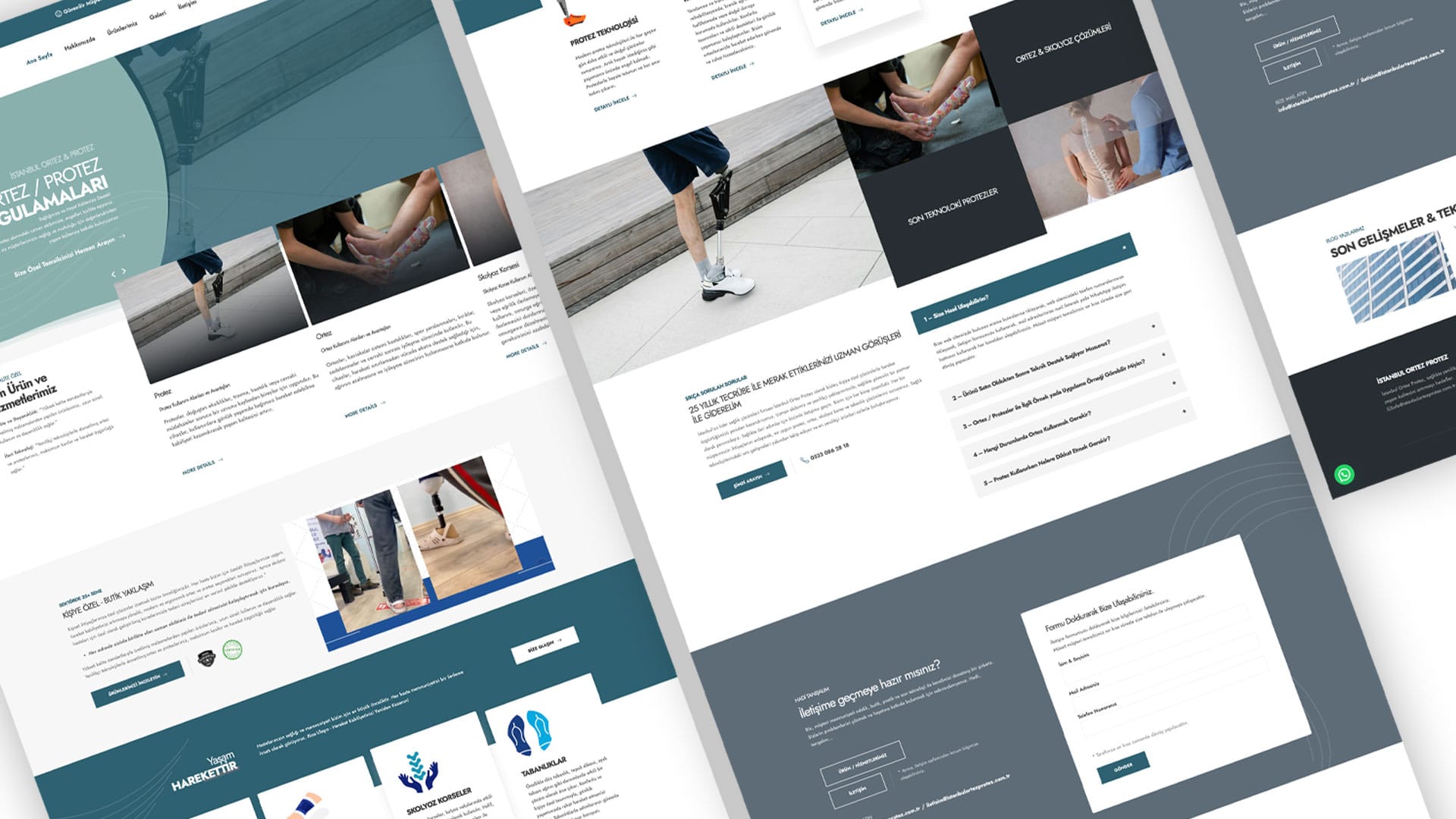
We rebuilt İstanbul Ortez Protez's digital presence from the ground up: a mobile-first site, a renewed brand identity, and content optimised for both search and AI engines. In 15 months we reached the top 3 for priority keywords and won more than 50 brace and prosthetics patients.
- Period
- November 2024 – February 2026
- Duration
- 15 months
- Disciplines
- UI/UX design · Performance marketing
Measured results
- Google ranking
- Top 0
- Bionic prosthetics and priority keywords, organic
- New patients
- 0 / mo
- Via Google Ads on terms like scoliosis brace
- Total patients
- 0+
- Over 15 months; braces and prosthetics combined
01 — Challenge
- The site could compete neither on mobile nor in search; there was no digital identity that built trust in a medical field.
- The brand was invisible for high-intent searches like "bionic prosthetics" and "scoliosis brace".
- Patient acquisition depended on referrals; there was no measurable, repeatable channel.
02 — Approach
- 01We started with competitor and keyword analysis, mapping long-tail opportunities the big players had skipped.
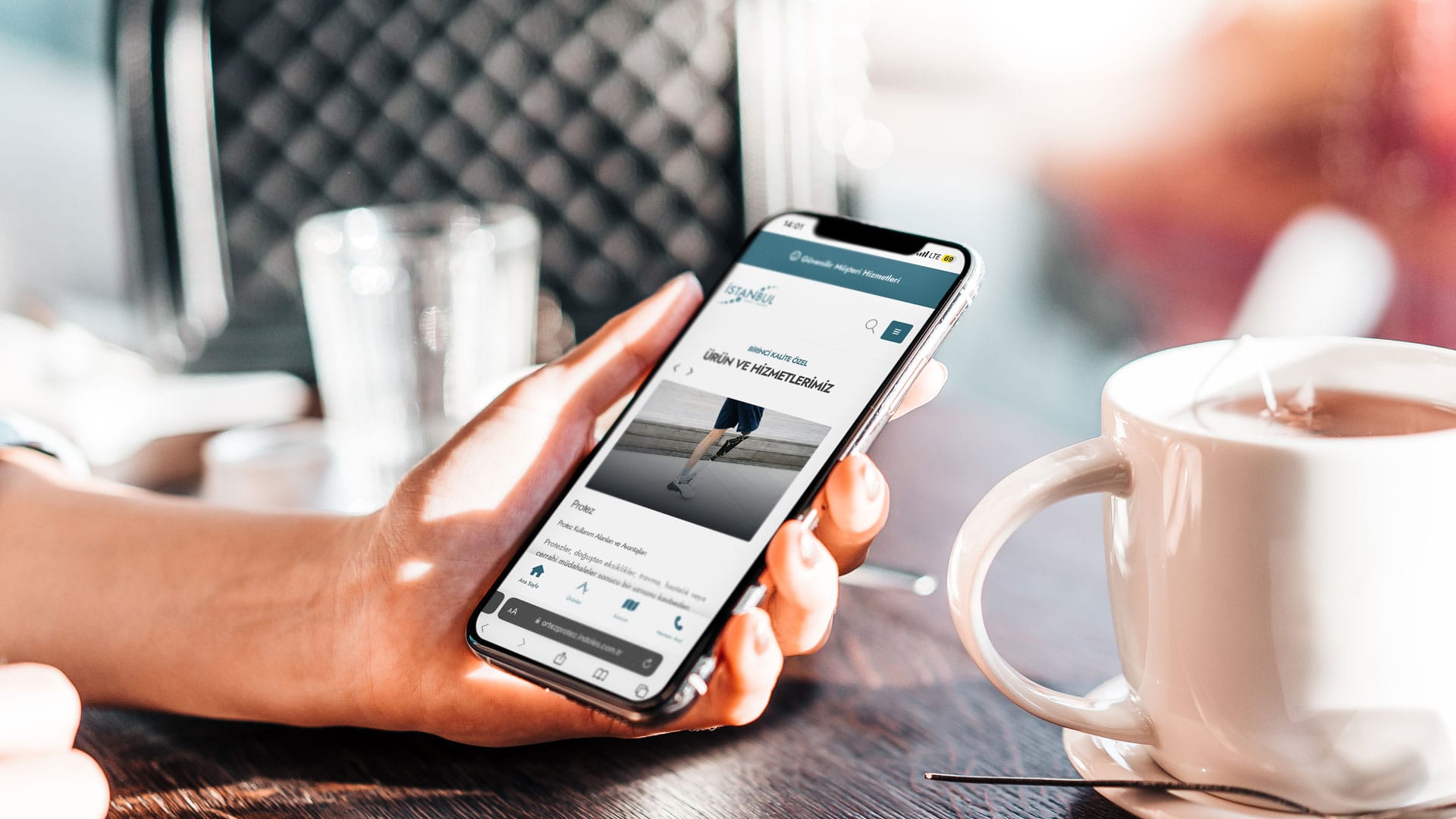
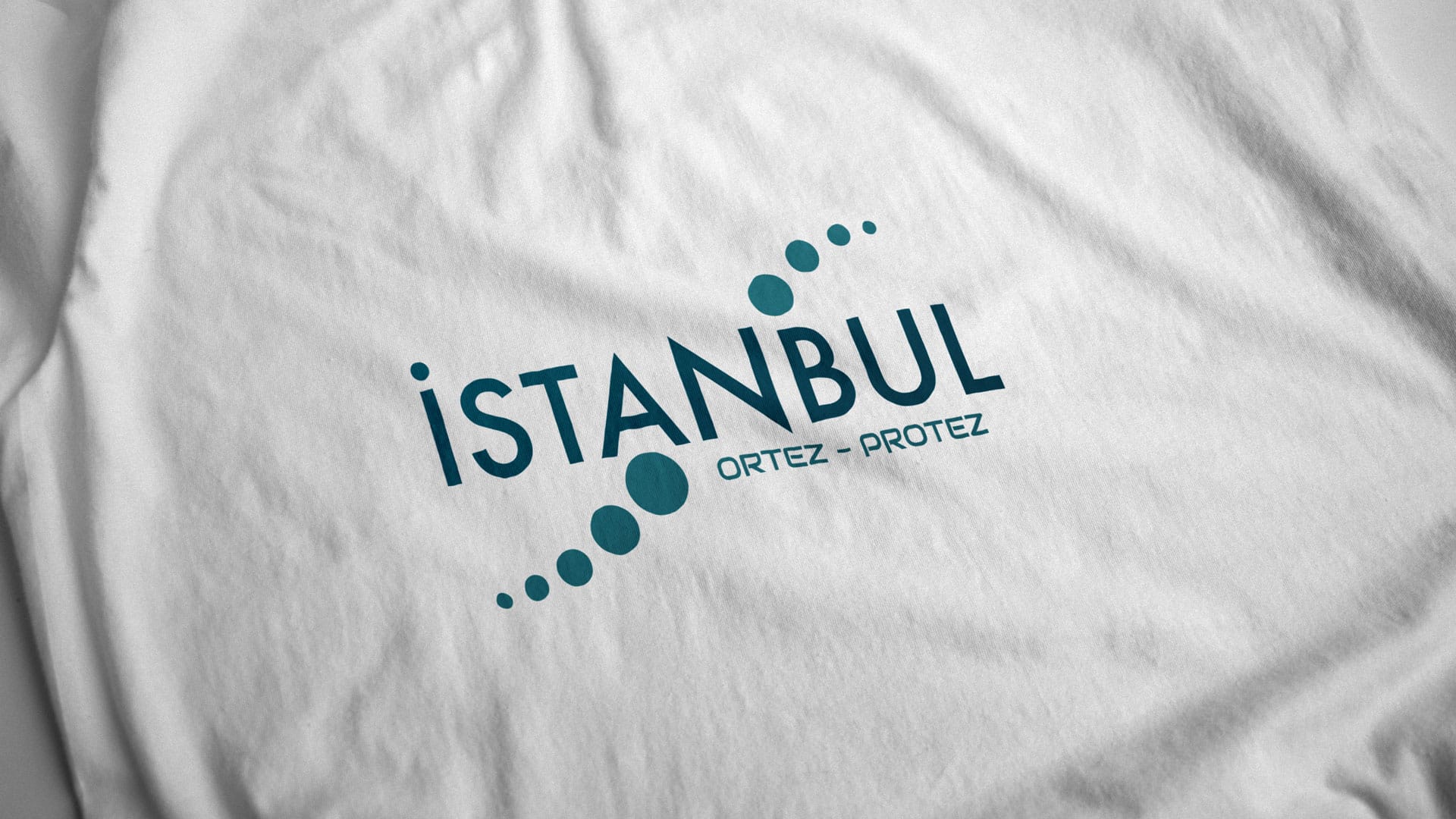
- 02We designed a mobile-first interface built around speed and readability, and renewed the brand identity from logo to print.
- 03Content was written for classic SEO and GEO alike — Q&A structure, technical depth, and self-contained passages AI engines can cite.
- 04In Google Ads we balanced manual bidding on high-competition terms with long-tail targeting.
03 — Outcome
- We reached the organic top 3 for priority keywords, bionic prosthetics first among them.
- Ads on commercially intent terms like scoliosis brace brought an average of 10 new patients a month.
- Over 15 months we won more than 50 brace and prosthetics patients in total.
Field record
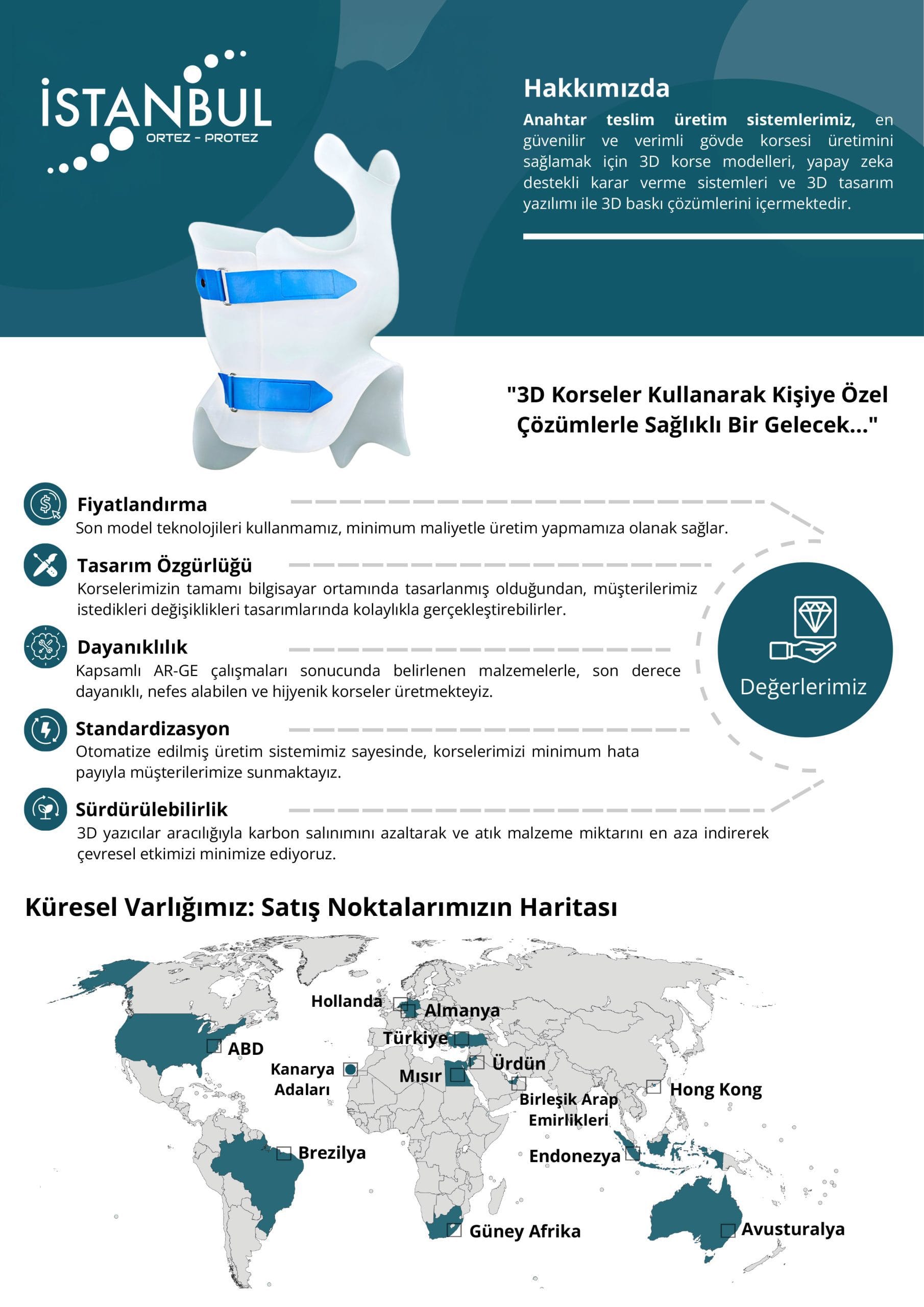
Our patients now find us by searching, not by referral. We're on the first page for bionic prosthetics, and the flow of new patients is steady every month.
Frequently asked questions
How long did reaching the top 3 take?
The engagement started in November 2024 and ran 15 months to February 2026. The organic top 3 on priority keywords was reached inside that window. In healthcare, ranking comes from content accumulating rather than from a single campaign; on searches that require patient trust, a search engine does not promote a new source quickly either.
What was the starting point?
Patient acquisition depended entirely on referrals. The İstanbul Ortez Protez site could compete neither on mobile nor in search, and there was no measurable, repeatable channel. The brand was invisible for high-intent searches such as bionic prosthetics and scoliosis brace. There was also no digital identity that built trust in a medical field, so the work covered identity before visibility.
Which keywords were targeted?
The target list was built from high-intent terms led by bionic prosthetics and scoliosis brace, alongside long-tail searches. Competitor analysis mapped the long-tail openings the big players had skipped, and priority came from the balance of intent and competition rather than raw volume. High-volume terms with unclear intent were deliberately left off the list.
How was the split made between organic work and ads?
Organic served patients looking for information, while ads served those with clear purchase intent. Bionic prosthetics reached the organic top 3, and Google Ads ran on commercially intent terms such as scoliosis brace. On high-competition terms, manual bidding was balanced with long-tail targeting so the budget was not spread across every expensive keyword.
Where do the 10 new patients a month come from?
The monthly figure comes from Google Ads. It is the monthly average from ads on commercially intent terms such as scoliosis brace — an average held across the engagement, not the peak of a single month. The 15-month total is more than 50 patients across braces and prosthetics combined, with the two product groups reported separately.
What was done differently in the content for AI engines?
Content was written with a Q&A structure and self-contained passages. The text was built for classic search and AI engines alike: each section gives a complete answer when read on its own, with the technical depth kept inside the sentence. That structure makes citation easier, because nothing is lost when an engine lifts a passage out of its context.
Why was mobile the priority?
Most traffic arrived on mobile, so the design was built mobile-first. The interface was structured around speed and readability, letting a patient find what they need to understand the product without long scrolling on a phone. In medical product searches the decision is short and anxious, so a slow page loses the patient before ranking ever matters.
Why was brand identity part of this project?
In a medical field, trust precedes visibility. Reaching the first page wins no patients if the visitor finds nothing trustworthy on arrival. The identity was renewed from logo to print, bringing digital and physical touchpoints into one language. The product brochure was part of the same work, carrying the technical story of 3D brace production.
Is the result sustainable?
The monthly average held across 15 months, so the result is not a one-off spike. Organic ranking rests on accumulated content and the ad side on continuous management, and while both run the patient flow stays steady. In the founder's words, patients now find them by searching rather than by referral, and the flow of new patients is steady every month.
Would the same approach work for another healthcare business?
The approach works where competitors have left long-tail ground open. In the İstanbul Ortez Protez case the big players had skipped technical and niche searches, and that was the opening. Where the ground is taken, the top 3 does not arrive on the same timeline and priority shifts to ads and conversion. The second condition is in-house expertise deep enough to feed the content.
Which services does this work fall under?
The work falls under UI/UX design and performance marketing. Brand identity, search content and ad management all ran under those two. Site development moved with the design side in one team, while search and advertising continued as ongoing management across 15 months rather than a one-off setup.
Related cases
View all



Where do we start?
Three entry doors at three speeds. Pick the one that fits.