Footwear & fashion — Growth
From classic to luxury — and onto the shelves.
Feruza Elegance made handcrafted footwear but sat in a classic positioning that kept it out of luxury retail. We moved the brand to a modern-luxury line and rebuilt its visual language and web presence. The work ended with a distribution agreement with one of Türkiye's best-known boutique retail chains.

- Duration
- 12 weeks
- Disciplines
- Brand strategy & marketing advisory · UI/UX design

01 — Challenge
- The brand sat in a classic, traditional positioning; the luxury demographic wasn't buying that language.
- The quality of handcrafted production didn't carry into the visual language; the product's value wasn't visible in photography.
- There was no presentation proving the brand's shelf value to potential retail partners.
02 — Approach
- 01We started with market research, mapping the audience's consumption habits and the purchase codes of the luxury segment.
- 02We moved the brand from a classic-traditional line to a modern-luxury one and tied the content strategy to that position.
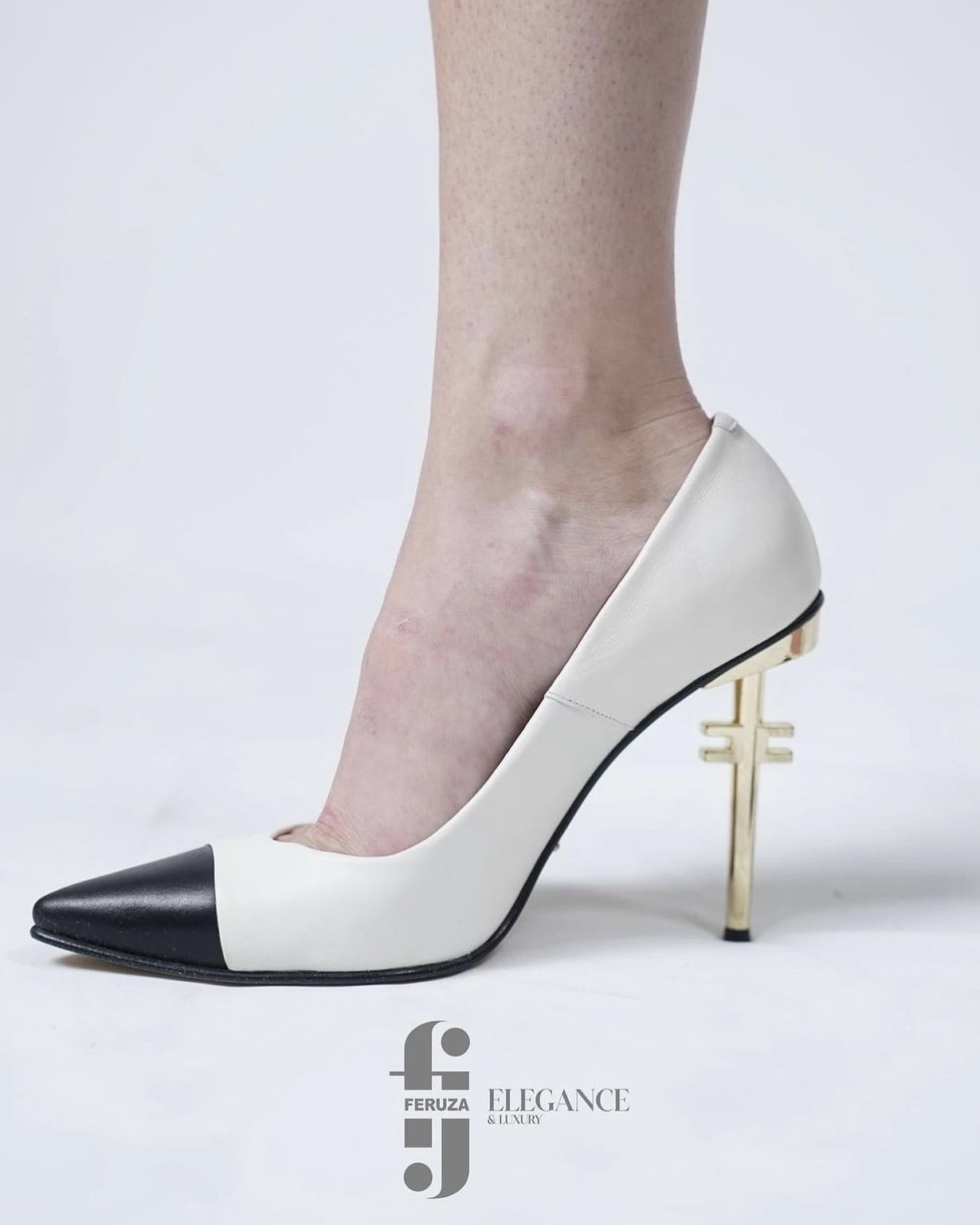
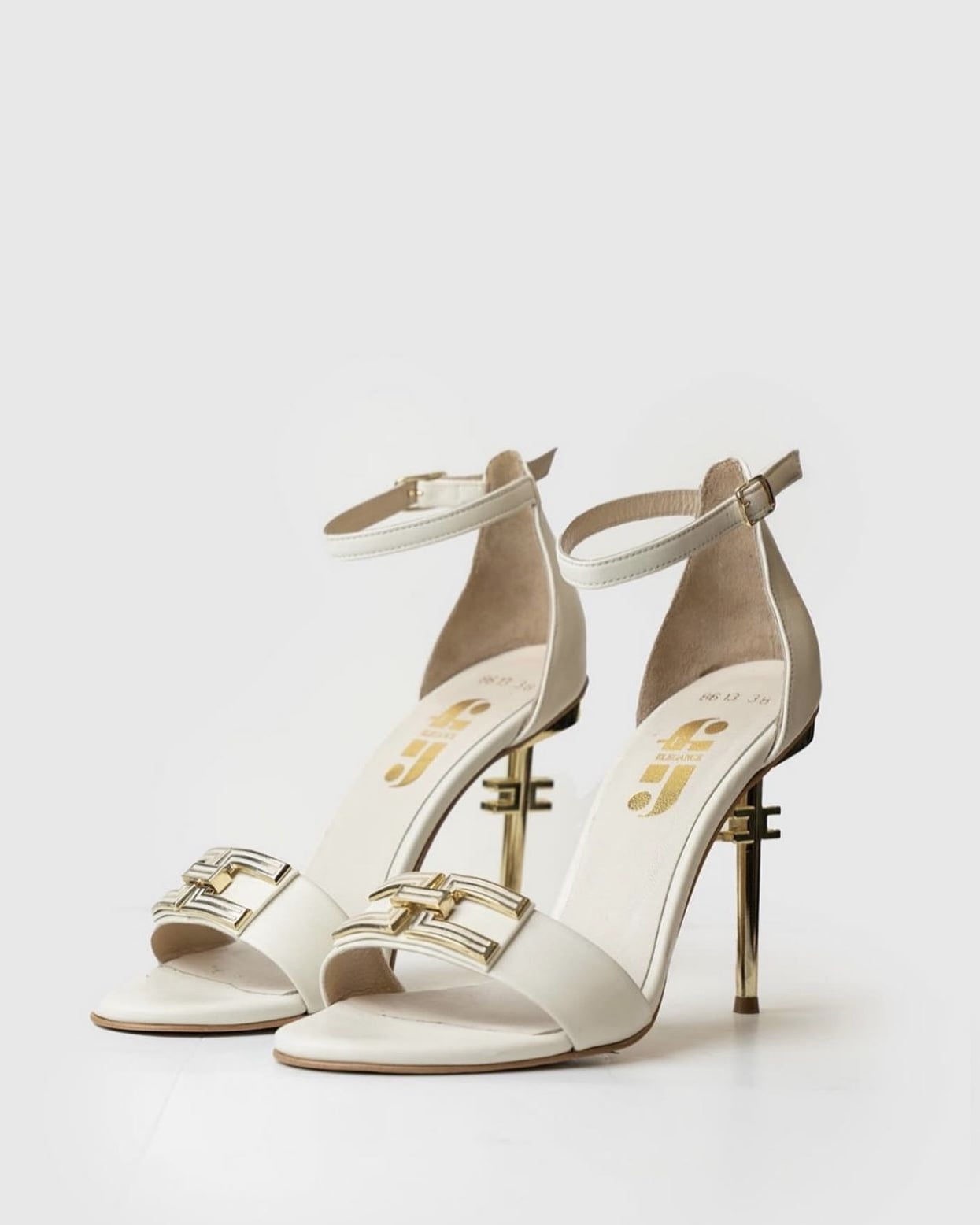
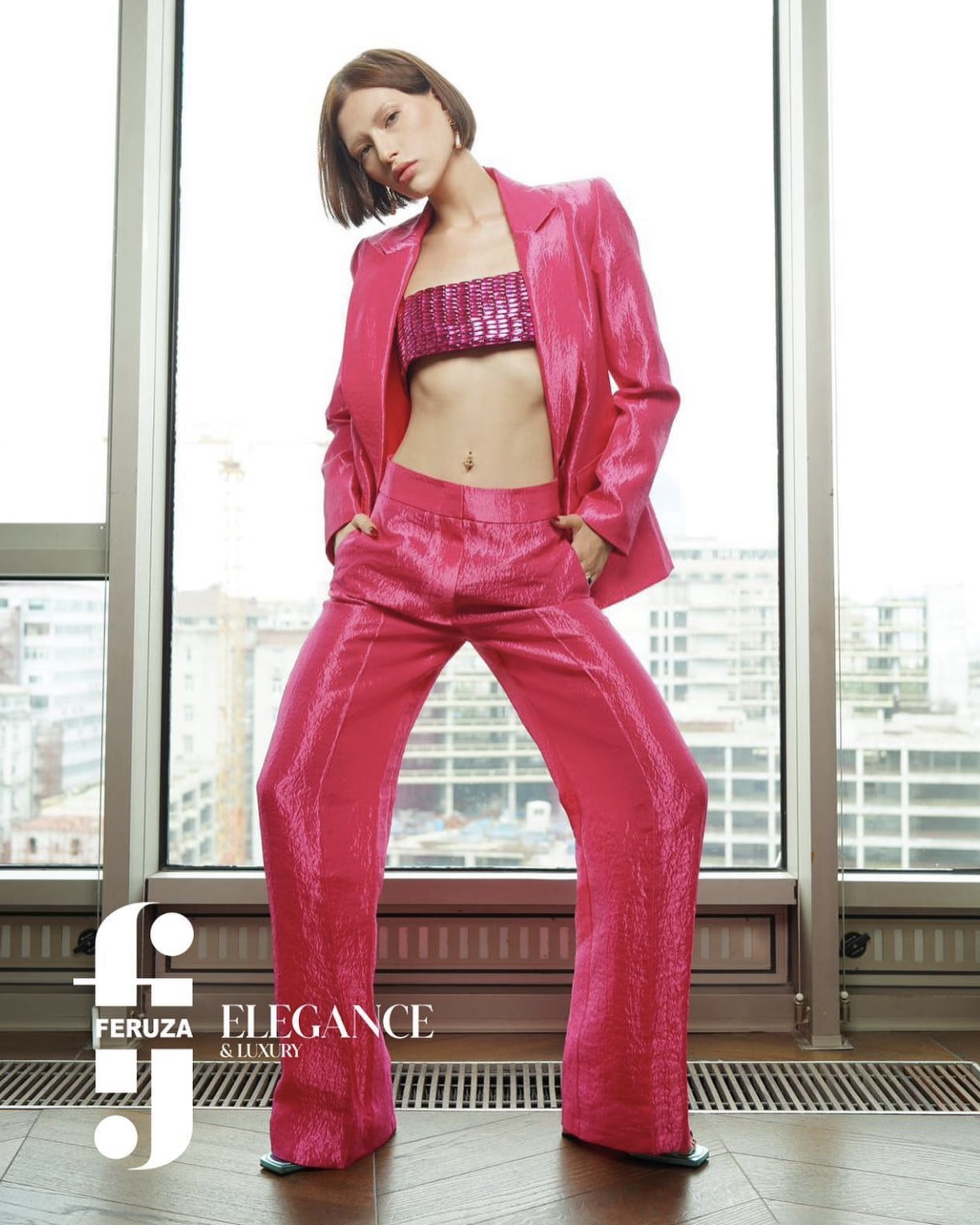
- 03Campaign and product shoots were produced in a single visual language that put the craftsmanship in frame.
- 04The website was designed around purchase confidence, and social media ran in line with the strategy.
03 — Outcome
- The brand gained a new visual language and position that speaks to the luxury demographic.
- An agreement was signed with one of Türkiye's best-known boutique retail chains in fashion and apparel.
- Products went on sale on that chain's shelves, taking the brand beyond its own channel.
Field record
Frequently asked questions
How was the outcome measured in this case?
No numeric metrics are published for the Feruza Elegance engagement. The measurable outcome was a distribution agreement with one of Türkiye's best-known boutique retail chains and the products reaching that chain's shelves. We do not have permission to share sales figures, and we do not publish numbers we cannot verify. The empty metrics band on this page is a deliberate choice rather than an omission.
How did the retail agreement come about?
The agreement followed from the brand becoming able to show its shelf value. What a brand seeking a retail partner usually lacks is not the product but the language that says which segment it belongs to. At Feruza, positioning, visual language and web presence built that account, and the quality of handcrafted production became visible in photography and on the site for the first time.
Why was repositioning necessary?
The brand sat in a classic, traditional line that the luxury demographic was not buying. The product was handcrafted, but the positioning did not match that value, so production quality never converted into price or shelf space. The brand was moved from a classic-traditional line to a modern-luxury one, and the content strategy was tied directly to that new position.
What did the market research reveal?
The research surfaced the audience's consumption habits and the purchase codes of the luxury segment. Those codes set both art direction and the structure of the website, and the positioning decision came from that data rather than assumption. In footwear and fashion, what the buyer looks at, which detail reads as a quality signal and which narrative justifies which price band were all written down.
How was the craftsmanship carried into the visual language?
It was carried by simplifying the frame. Campaign and product shoots were produced in one visual language, and studio frames brought craft details such as the monogrammed heel and the insole forward. As long as the product's value stayed invisible in photography, its price could not be defended. The campaign series then showed the product in context, meeting detail and lifestyle in the same language.
What was prioritised on the website?
Purchase confidence was the priority on the site. In the luxury segment hesitation comes from trust rather than price: the buyer wants to know whether the product is really the quality being described. The site was therefore built around product narrative, visual quality and clarity of flow. Design and development ran in one team, so the visual language reached production without degrading in code.
What role did social media play?
Social media became the daily carrier of the new position. The operation ran in line with the strategy and imagery from the campaign series was used on the same line. That kept the modern-luxury position from being confined to a single campaign, turning it into a language on continuous display. In retail conversations, this channel also showed that the brand had a live audience.
Which chain was the agreement signed with?
We do not publish the chain's name. The agreement was signed with one of Türkiye's best-known boutique retail chains in fashion and apparel, and the products went on sale on that chain's shelves. Naming depends on approval from both the client and the chain, and without it we do not print a brand name. In our case records client names are open, while third parties require consent.
Would the same approach work for another manufacturer brand?
The approach works where production quality exists but the account of it is missing. At Feruza the product was already good; what was missing was position and visual language. On a product with quality problems, repositioning makes things worse, raising expectations the product cannot meet and costing trust after the first purchase. The precondition is always the product itself.
Which services does this work fall under?
The work falls under brand strategy and marketing advisory and UI/UX design. Photo and video production and social media management ran inside the same project as the execution arm of those two. No separate performance marketing line was opened, because the goal was not advertising scale but a brand position that could go to a retail partner.
Where would a similar project start?
The starting point is an audit of the current position. The gap between where the brand sees itself and where the buyer sees it gets measured, and the scope of repositioning is set by the size of that gap. A small gap keeps the work within visual language; a large one stretches from product naming to price architecture, and the schedule is written accordingly.
Related cases
View all
 $1.5M — Revenue
$1.5M revenue in 6 days, e-commerce.
E-commerce & retail

 12× — Sales
12× sales in 3 months, sportswear.
Sportswear e-commerce
 Top 3 — Google ranking
Top 3 for bionic prosthetics, 10 new patients a month.
Medical devices & healthcare
Where do we start?
Three entry doors at three speeds. Pick the one that fits.