Sportswear e-commerce — Growth
12× sales in 3 months, sportswear.
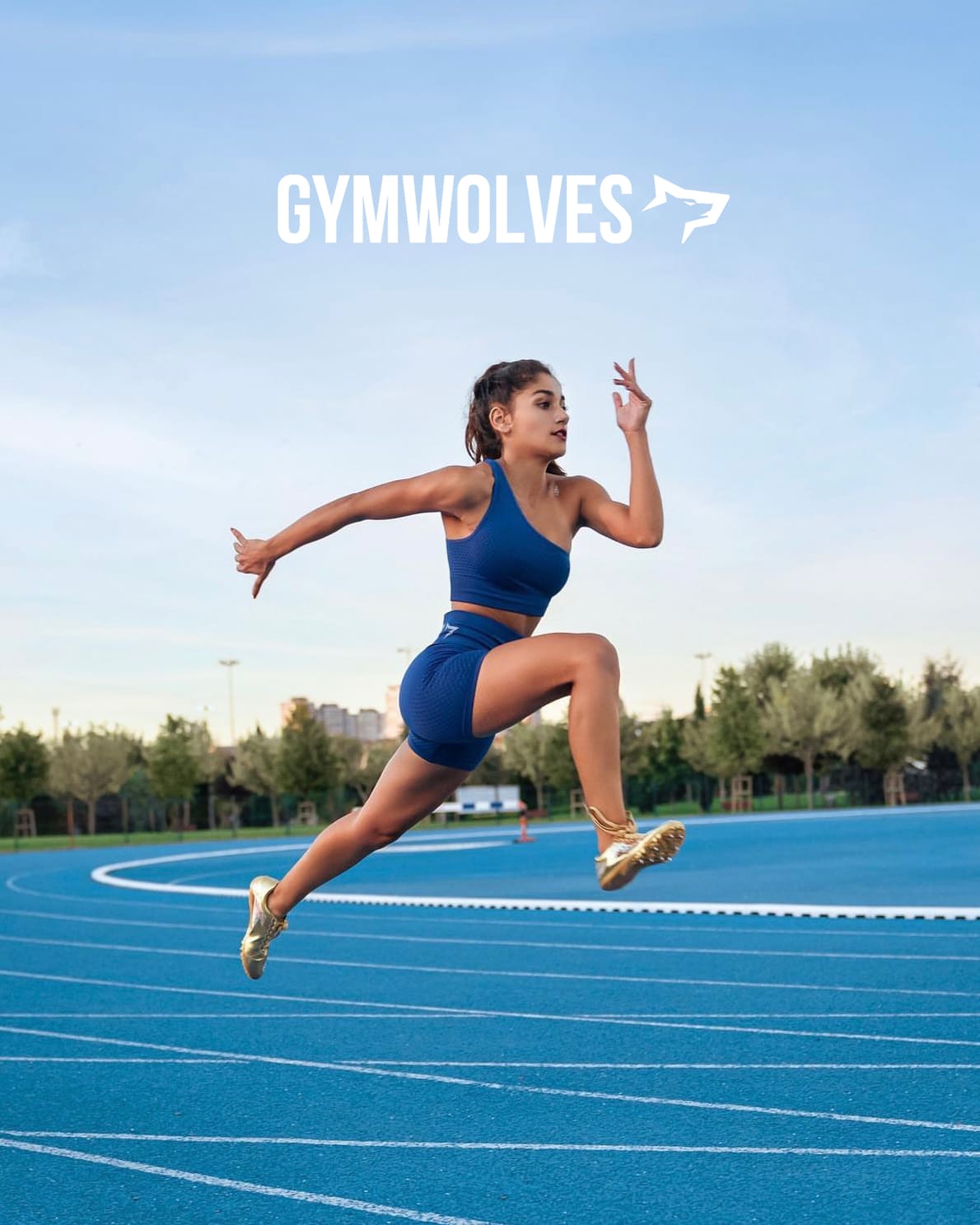
GYMWOLVES aimed to double sales in 3 months. We repaired the data flow, rebuilt the conversion funnel and fed the campaign with athlete-shot social proof. By the end of month three, sales were up 12×.

- Duration
- 12 weeks
- Disciplines
- Performance marketing · CRO — conversion optimisation
Measured results
- Sales
- 0×
- In 3 months; on e-commerce sales and revenue data
- Engagement
- 0×
- The target was 2×
- Session duration
- 0×
- After product page improvements
01 — Challenge
- Pixels and data flow were broken; ad decisions ran on incomplete data.
- UI and UX flaws on product pages dragged conversion down.
- No segmentation or retargeting; the brand was confused with global competitors.
02 — Approach
- 01Software stack and pixel setup rebuilt; data flow verified end to end.
- 02Audience segmented; underperforming ad sets closed and budget shifted to winners; retargeting set up for cross- and upsell.
- 03Cost per click reduced with SEO and AI-assisted dynamic ads; video-led social proof produced with athletes and influencers.
03 — Outcome
- The target was 2×; by the end of month three sales were up 12×.
- Session duration tripled; engagement rose 8×.
- The brand identity separated from global competitors; the client chose to invest in online retail over a new physical store.
Field record
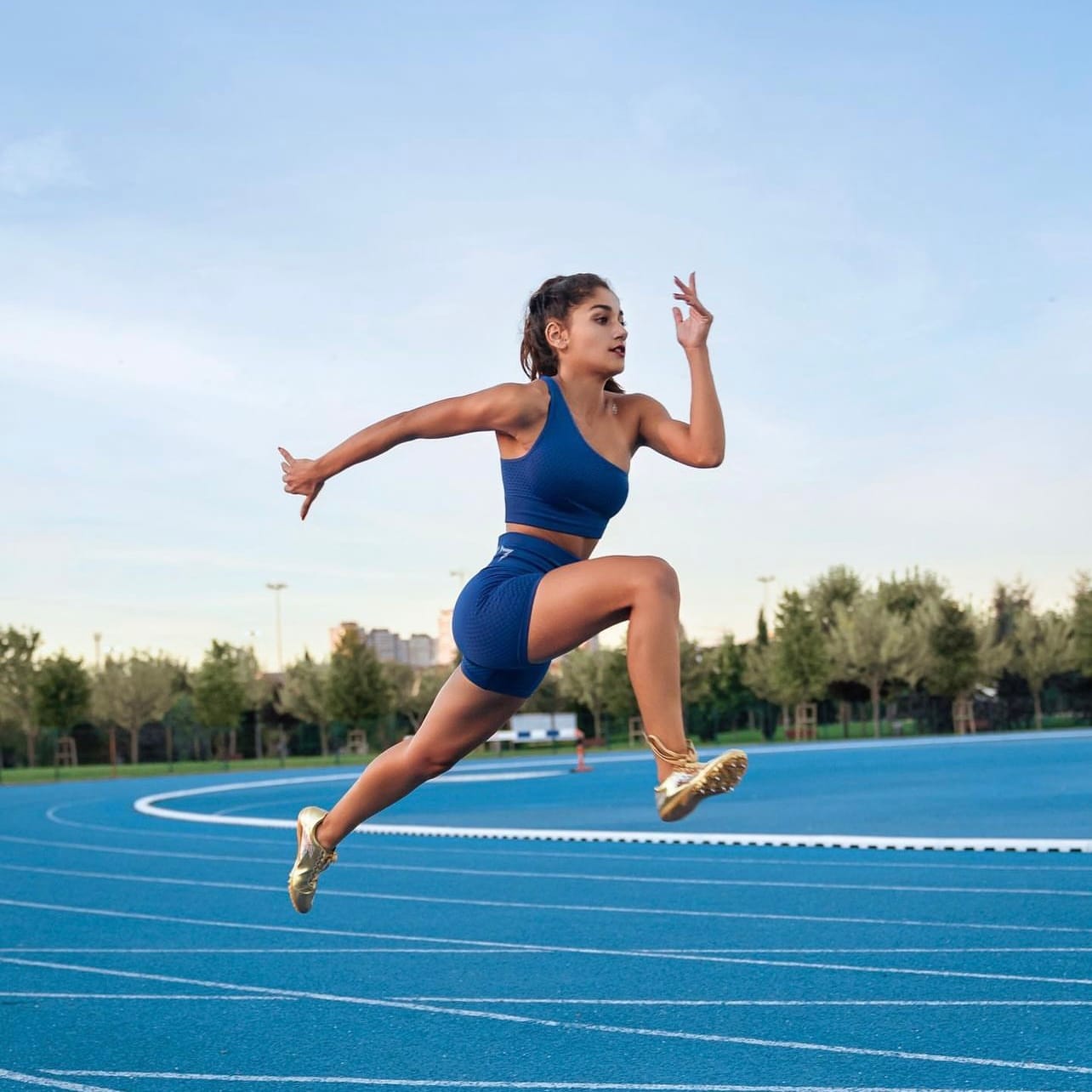
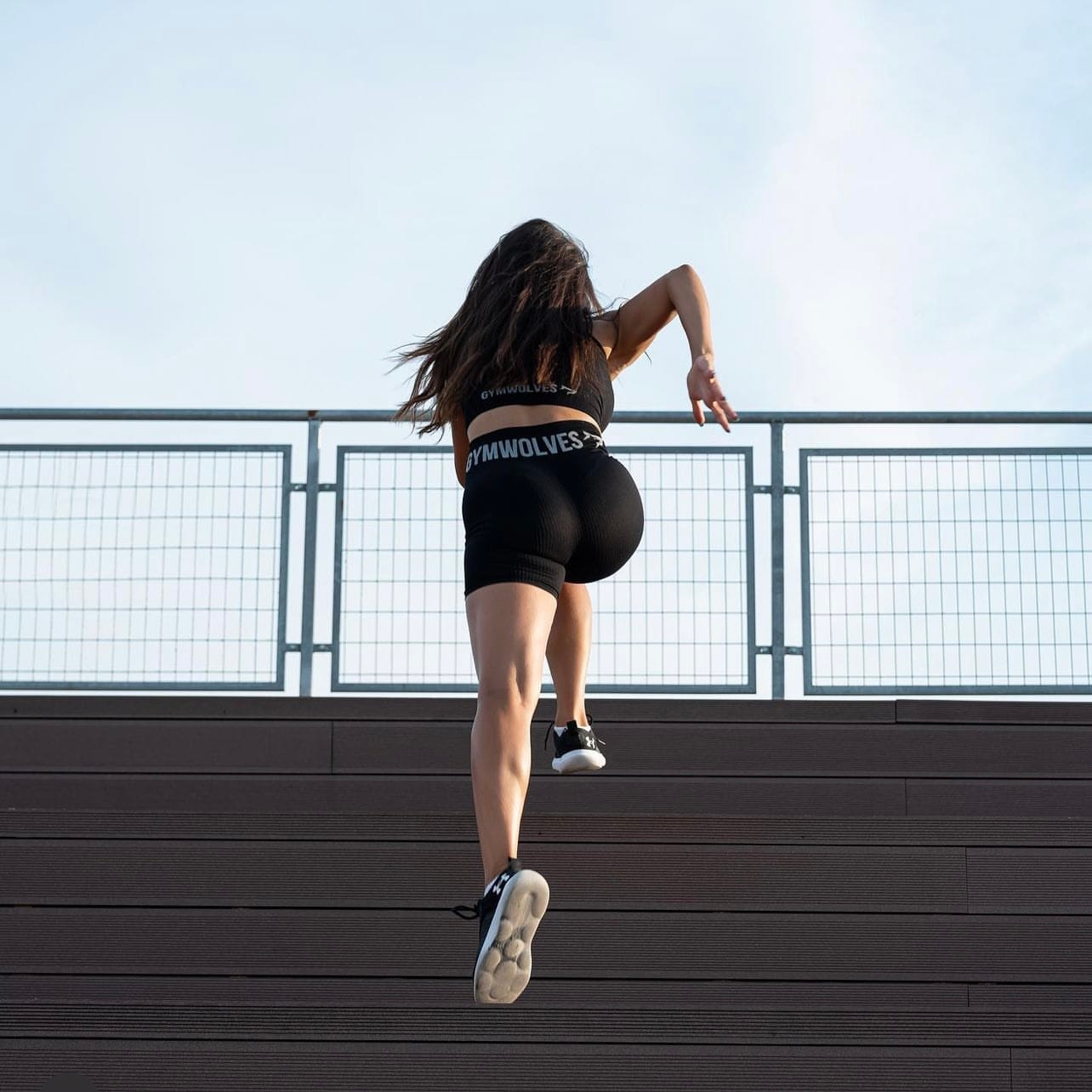
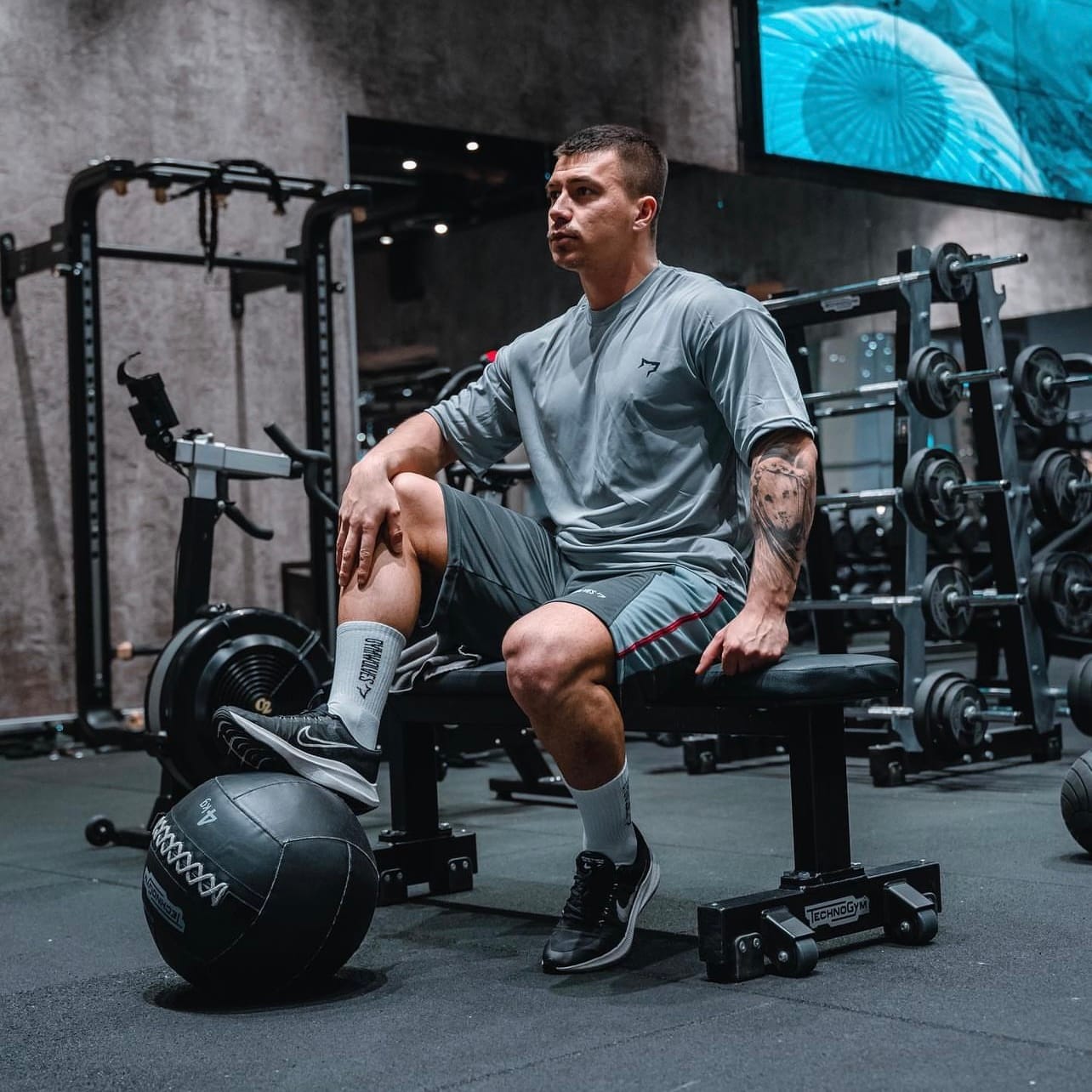
Our goal was to double sales in three months. We read the reports together every week; by the end of month three we saw twelve times.
Frequently asked questions
How long did the 12× sales increase take?
Sales rose 12× in three months. The GYMWOLVES engagement ran 12 weeks and the increase was measured at the end of month three. The founder's target for that same period was 2×, so the result landed at six times the goal. Measurement ran on e-commerce sales and revenue data, and the reports were read with the client every week.
Why did the result land at 12× when the target was 2×?
The result overshot the target because there was more than one bottleneck. Data flow, product page experience and ad targeting were all corrected in the same window. With three levers moving together the effect exceeded the sum of any single-channel gain: a properly measured campaign was sending traffic to a page that now converted, and winning ad sets surfaced quickly.
What was the biggest obstacle at the start?
The biggest obstacle was broken data flow. At GYMWOLVES the pixels and the data pipeline were faulty, so ad decisions ran on incomplete data. The software stack and pixel setup were rebuilt and the flow was verified end to end; only then did optimisation begin. The second obstacle was that neither segmentation nor retargeting existed at all.
What changed on the product pages?
The UI and UX flaws dragging conversion down were fixed on the product pages. The measured effect was session duration tripling. Longer sessions also produced a better retargeting signal, because an interested audience could now be separated by behaviour rather than assumption. The interface work ran in the same sprint as the campaign.
How was the ad budget managed?
Spend was continuously shifted toward the winning sets. The audience was segmented, underperforming ad sets were closed and money moved to what worked. The decision was read with the client in a weekly report; in the founder's words, the reports were reviewed together every week. That also put on record why each set was closed, rather than leaving the call to one person's instinct.
What did retargeting achieve?
Retargeting opened cross-sell and upsell. Built after segmentation, it treated previous visitors as their own audience, making a second offer possible for that group. Because repeat purchase behaviour is strong in sportswear, this step added revenue without raising the cost of acquiring new customers.
How was cost per click reduced?
Cost per click came down through SEO work and AI-assisted dynamic ads. Two levers ran together: organic visibility on the search side, and automatic creative-to-audience matching on the ad side. The dynamic ads eliminated combinations that would have taken weeks to test by hand, so the budget reached the right match after fewer attempts.
How was social proof produced?
Social proof was produced through video shot with athletes and creators. Frames from the track, stadium and gym series fed both ad creative and social channels. The brand appeared with athletes actually using the product, and no stock imagery was used. Content from a single shoot programme was recut and reused across different channels throughout the campaign.
How did the brand separate from global competitors?
The separation came from the brand building its own visual language. GYMWOLVES was being confused with global competitors; once campaign creative, art direction and tone of voice converged on one line, the confusion cleared. Field shoots with athletes carried that line, offering a local, recognisable frame against the studio-heavy language of the competition.
Did the result hold, and what did the client do next?
The client chose to invest in online retail instead of opening another physical store. That decision followed from the online channel becoming measurable: the weekly report now showed where growth came from. The question of where capital should go was answered from records rather than guesswork, and the measurement setup stayed in the brand's own hands.
Which services does this work fall under?
The work falls under performance marketing and conversion optimisation. The data infrastructure, content production and the shoot programme with athletes all ran inside those two. The disciplines listed separately in the credits sit under them; no separate brand identity project was opened, and the visual language was built through campaign creative.
Related cases
View all
 $1.5M — Revenue
$1.5M revenue in 6 days, e-commerce.
E-commerce & retail
 Top 3 — Google ranking
Top 3 for bionic prosthetics, 10 new patients a month.
Medical devices & healthcare

 $100,000 — Revenue
A 12-month target hit in 3 months: $100K.
Luxury home decor
Where do we start?
Three entry doors at three speeds. Pick the one that fits.