Printing & press supplies — Build
WordPress to Next.js: 15× organic traffic.
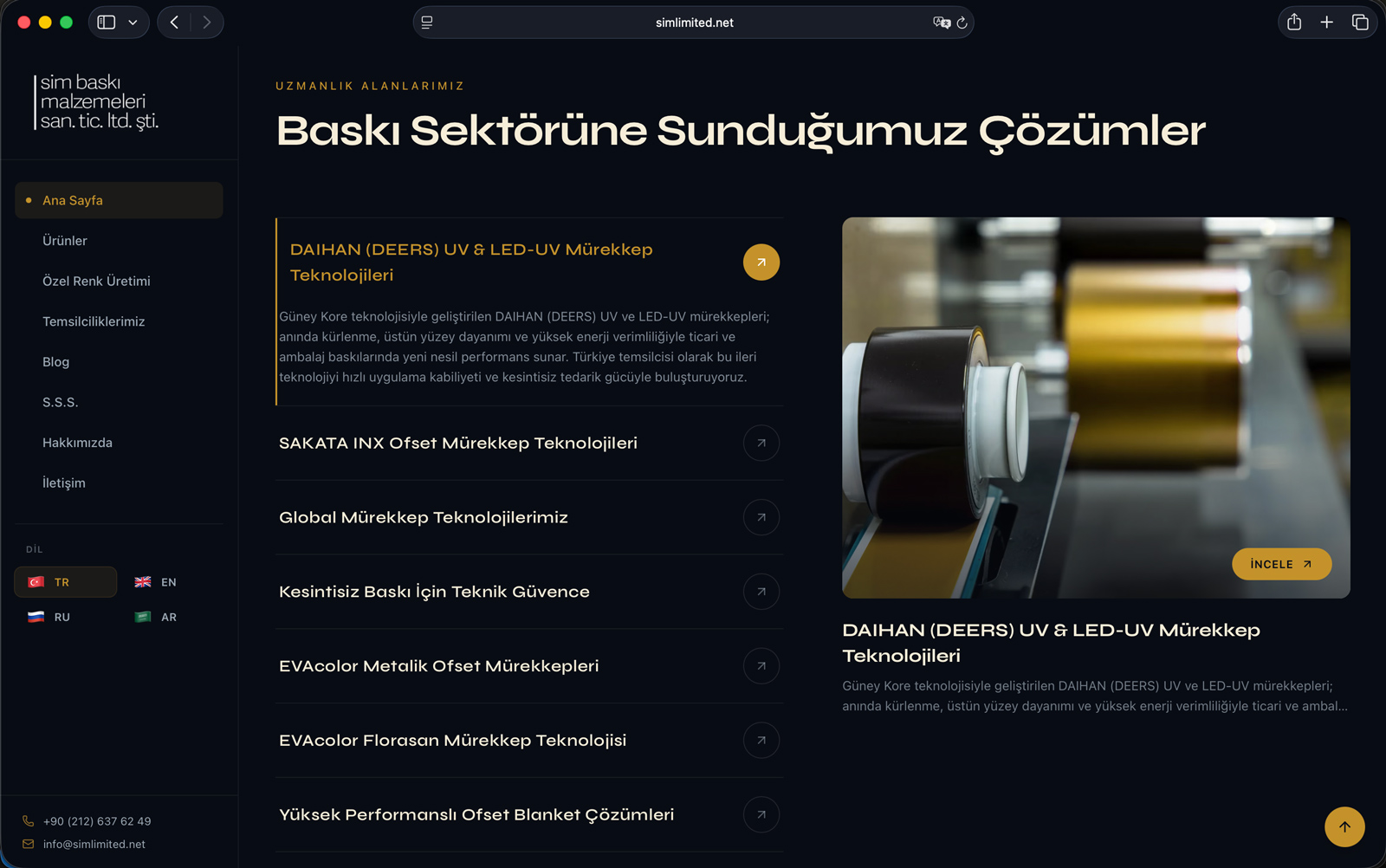
SIM Printing Suppliers has manufactured for the press industry since 1983, but its WordPress stack carried neither the export ambition nor the depth of its technical content. We rebuilt the site as a five-language Next.js application and designed the content programme for SEO and GEO together. In six months organic traffic grew 15×, and visibility in AI engines went from zero to 40,000.

- Duration
- 6 months
- Disciplines
- Custom software & mobile apps
Measured results
- Organic traffic
- 0×
- In 6 months; via replatforming and the content programme
- GEO visibility
- 0,000
- From zero; visibility across AI engines
- Google ranking
- Top 0
- Printing supplies and core keywords
- Load time
- <0 s
- Five-language Next.js application
01 — Challenge
- The WordPress stack was slow and couldn't carry the load of a multilingual export site.
- Forty years of technical production knowledge existed nowhere in writing; there was nothing for a search engine or an AI engine to cite.
- The brand was invisible on the first page for core keywords like printing supplies.
02 — Approach
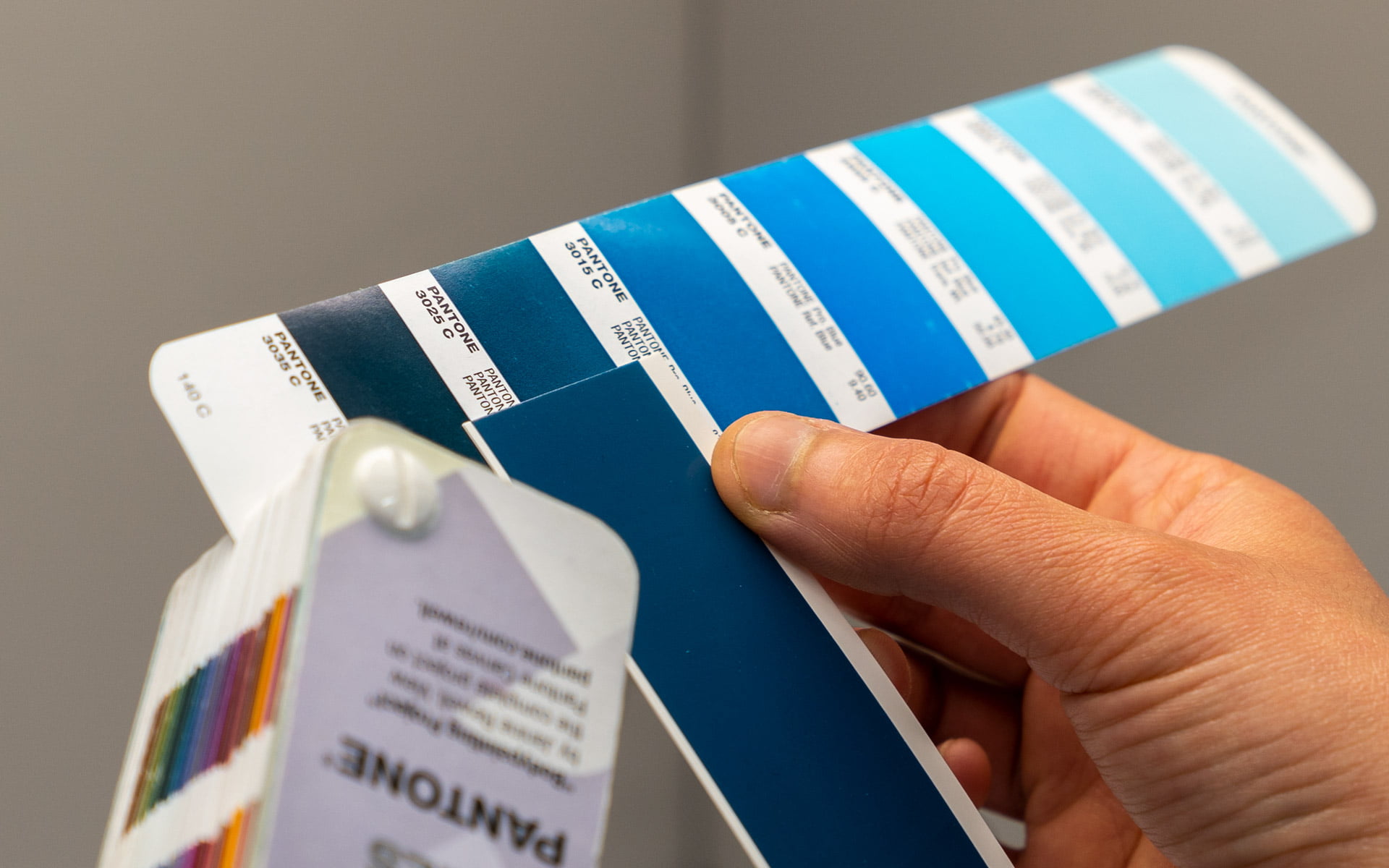
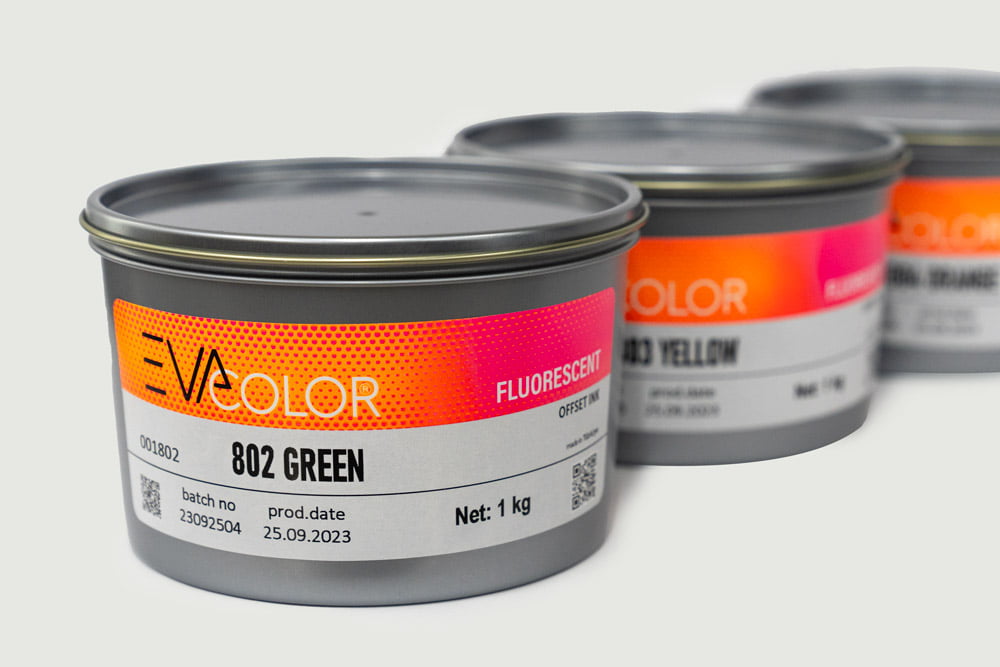
- 01We built the strategy from scratch, mapping the product catalogue, the search language of target markets and the technical topics competitors had left empty.
- 02The site was rebuilt as a Next.js web application; five languages were designed simultaneously, not bolted on as a later translation layer.
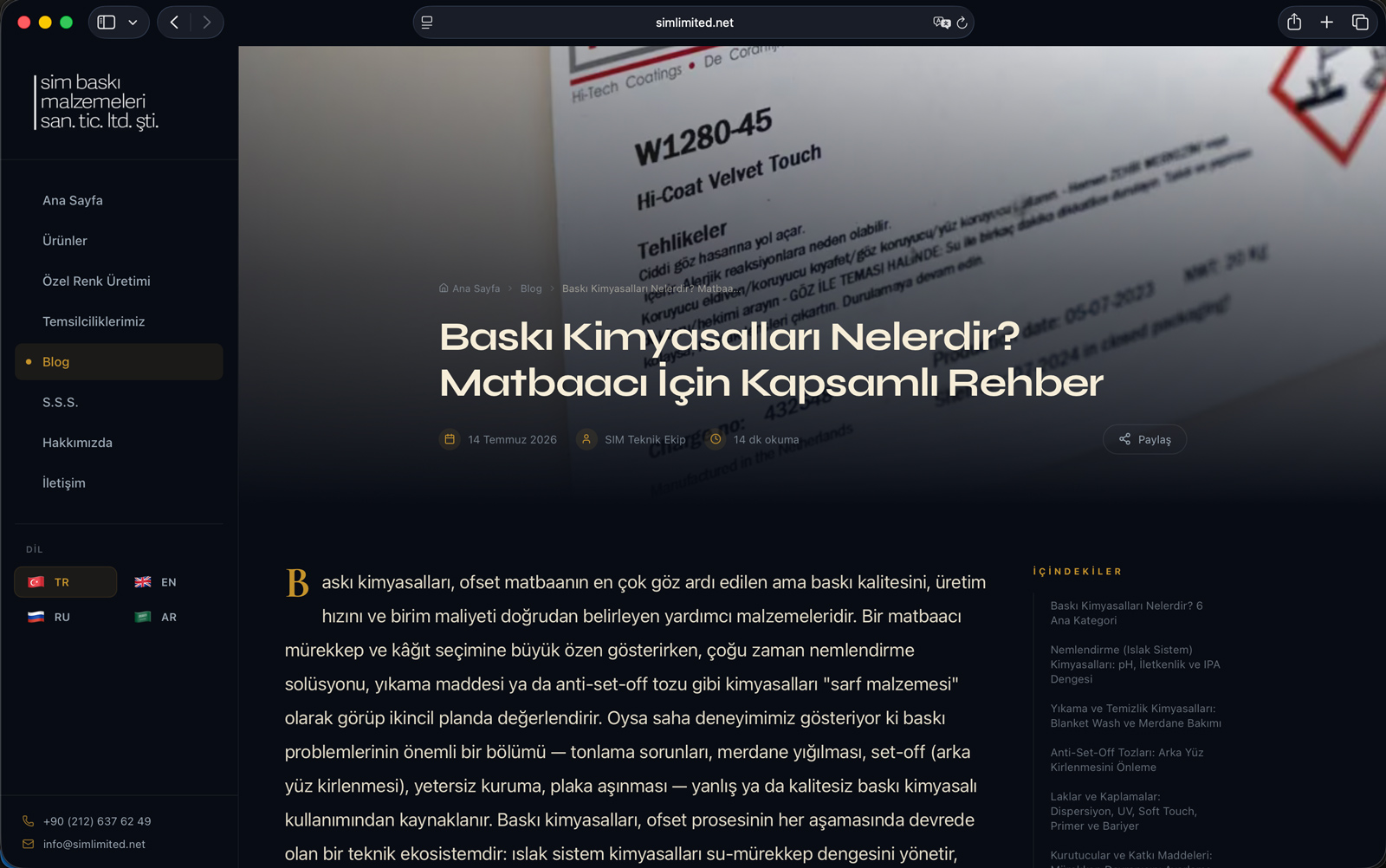
- 03We wrote deep content in technical guide format — tables of contents, Q&A sections and self-contained passages AI engines can cite.
- 04Performance was chased by measurement: page load was brought under one second and held there after launch.
03 — Outcome
- Organic traffic grew 15× in six months.
- The brand entered the top 5 for printing supplies and alternative core keywords.
- Visibility in AI engines went from zero to 40,000; the brand is now the source that gets cited.
- The five-language structure opened the door to demand from outside Türkiye.
Field record
We have been in this business for over forty years, yet this is the first time demand reaches us from all over the world. Our customers now find us by asking AI.
Frequently asked questions
How long did organic traffic take to grow 15×?
The growth happened over six months. The SIM Printing Suppliers engagement ran 26 weeks in total, and the traffic increase came from replatforming and the content programme running together. Replatforming alone would not have produced it: a faster site with nothing new to publish does not move rankings. The two workstreams advanced on one schedule.
Why was WordPress left behind?
The WordPress stack could not carry the load of speed and multiple languages. The site was slow and did not meet the requirements of a five-language export site, with each new language landing as a patch on the existing install. On the new build page load was brought under one second and the threshold held after launch, because performance kept being measured.
Why was Next.js chosen?
Two requirements drove the choice: five languages living in one architecture, and load time under measurable control. The site was rebuilt as a web application, with language structure, content model and performance budget all part of the same decision. The technology was picked last, not first — the export goal and the depth of content were written down before the tool was named.
Were the five languages added later?
The languages were not added later; all five were designed at once. No translation layer was bolted onto an existing structure — each language was built from the start with its own content structure. The approach opened the door to demand from outside Türkiye and wrote the fact that local search languages differ into the architecture itself. A language added afterwards usually stays half-finished.
What does 40,000 in GEO visibility mean?
The measure expresses the brand's visibility across AI engines, and it went from zero to 40,000. It is a separate indicator from classic search ranking; the same content is tracked separately on the search engine side and the AI engine side. Starting from zero matters: the brand had never appeared as a source in those engines, because there was no written content to cite.
What made the content citable?
Content was written with a table of contents, Q&A sections and self-contained passages. In the technical guide format, each section gives a complete answer when read alone, and that passage is the unit an AI engine cites. Technical topics such as printing chemicals were structured to open with the reader's question rather than with the language of a product catalogue.
How did forty years of technical knowledge become content?
The knowledge became content by being written down. The accumulation from production running since 1983 existed nowhere in writing, so there was no source for a search engine or an AI engine to cite. The product catalogue, the search language of target markets and the technical topics competitors had left empty were mapped, and the content programme was written straight against that map.
Why was load time treated as its own metric?
Performance is lost after launch day rather than on it. Page load was brought under one second and the threshold held after launch, and because measurement continues, any regression is corrected as soon as it appears. On a five-language site this is also an export question: an overseas visitor on a slow connection leaves before the page renders.
What did the five-language structure add for exports?
The structure opened demand from outside Türkiye. In the founder's words, a company doing the same work for over forty years began receiving requests from all over the world for the first time. Building each language around its own search vocabulary was decisive here: the same product is searched under different names in different markets, and translation alone does not close that gap.
Would the same approach work for another manufacturer?
The approach works where technical knowledge exists but has never been written down. At SIM the lever was knowledge the company already held; content only made it findable. On a catalogue with no technical depth to explain, the same programme does not deliver at this scale. The second condition is an in-house expert to feed the content — technical text written from outside does not carry that depth.
Which service does this work fall under?
The work falls under custom software and mobile apps. The five-language architecture, the content programme and the search side ran as parts of one engagement. No off-the-shelf platform was installed; the site was written from scratch as an application, because the goal was not simply a new design but measurable speed together with a multilingual content structure.
Related cases
View all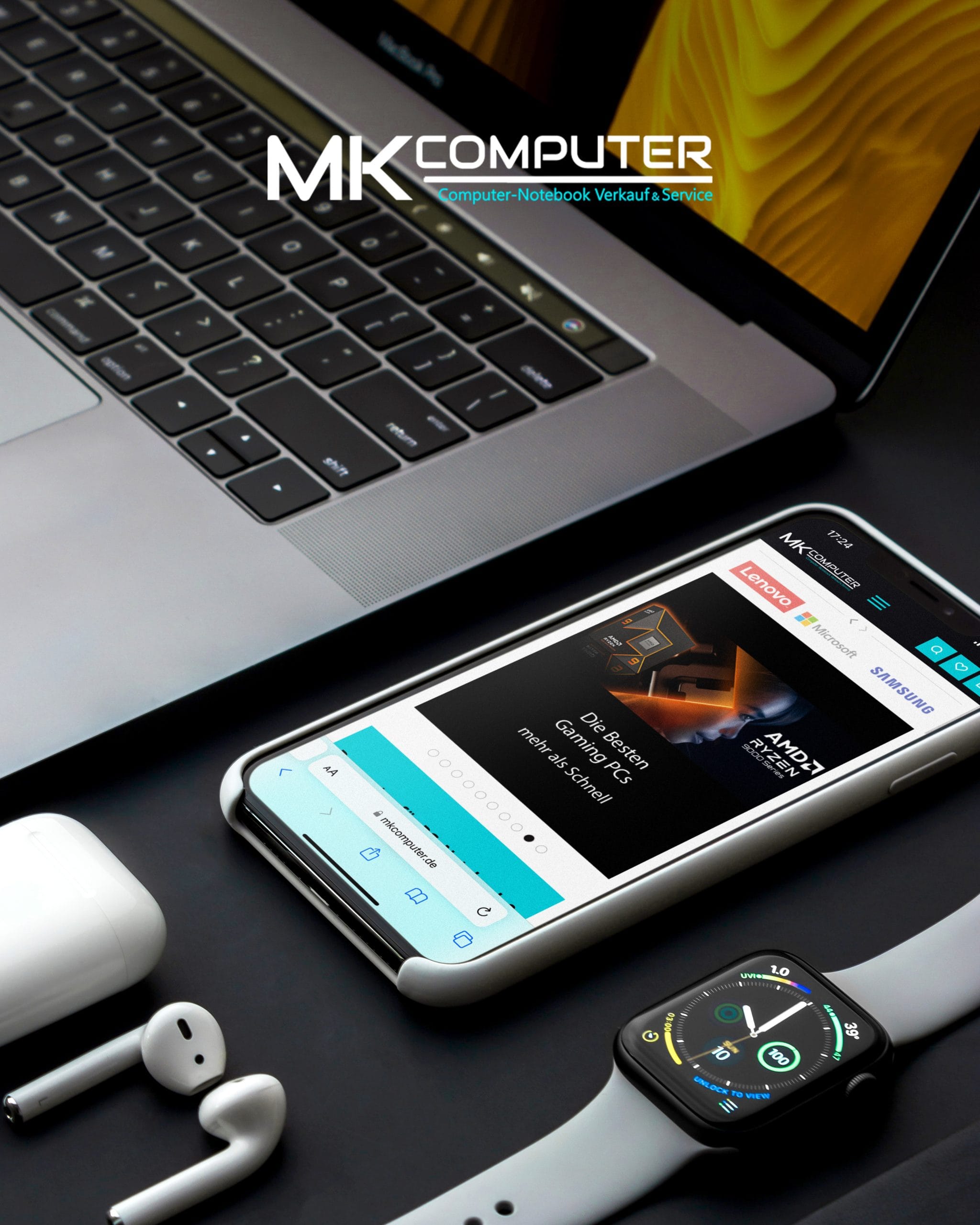
 200,000+ — Products synced
200,000 products synced every 5 minutes.
Technology e-commerce (Germany)
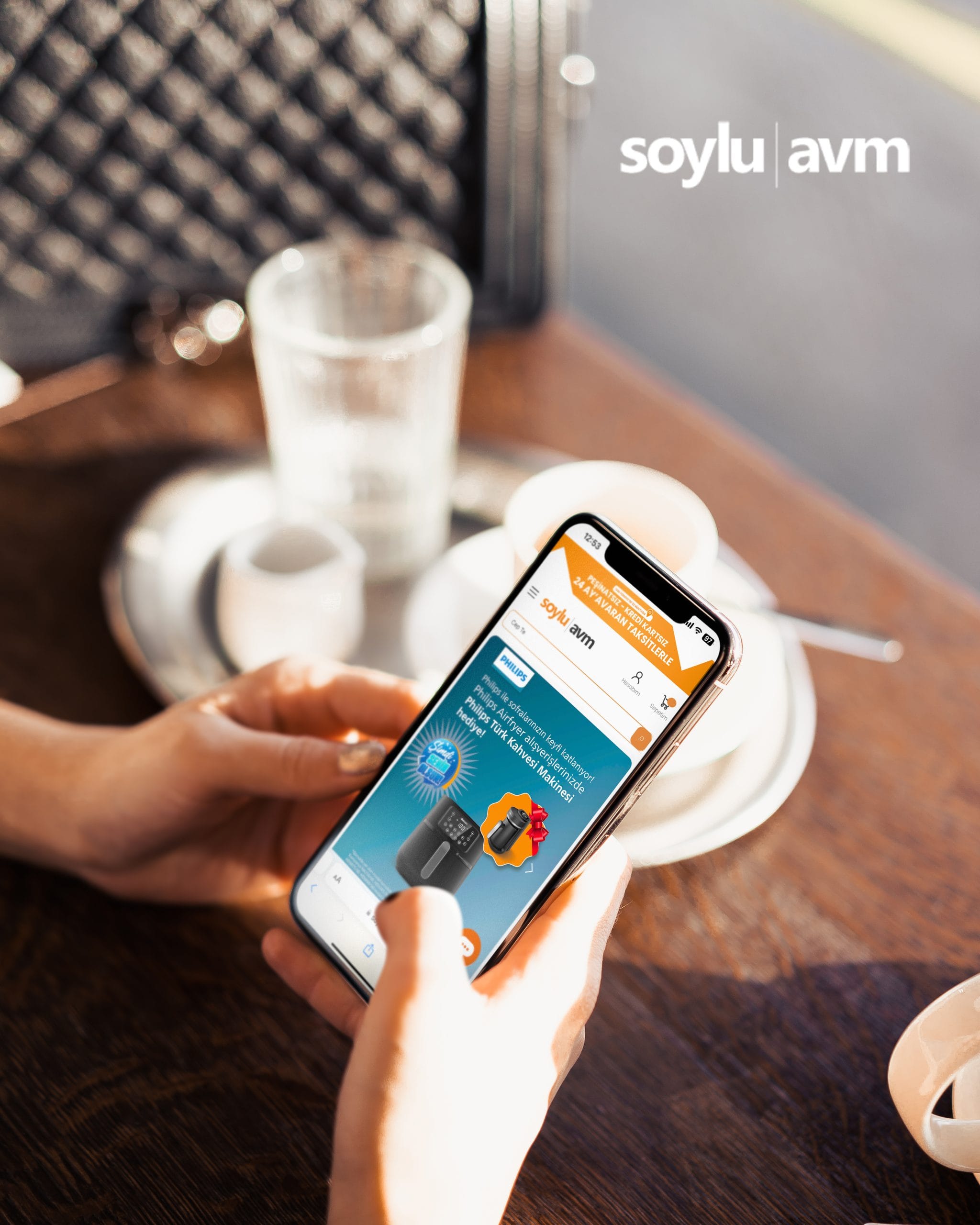
 $1.5M — Revenue
$1.5M revenue in 6 days, e-commerce.
E-commerce & retail

 12× — Sales
12× sales in 3 months, sportswear.
Sportswear e-commerce
Where do we start?
Three entry doors at three speeds. Pick the one that fits.